

A dermaplaning facial is one of the simplest ways to get smooth, glowing skin with no downtime. In one short session, a trained provider gently removes the top layer of dead skin cells and fine vellus hair, often called peach fuzz, so your complexion looks brighter and your skincare products work better. This guide explains what dermaplaning is, the benefits of dermaplaning, who should avoid it, and how a professional dermaplane facial compares with shaving, microdermabrasion and dermabrasion. It is general information: your provider will confirm whether dermaplaning is right for your skin type.
What Is a Dermaplaning Facial?
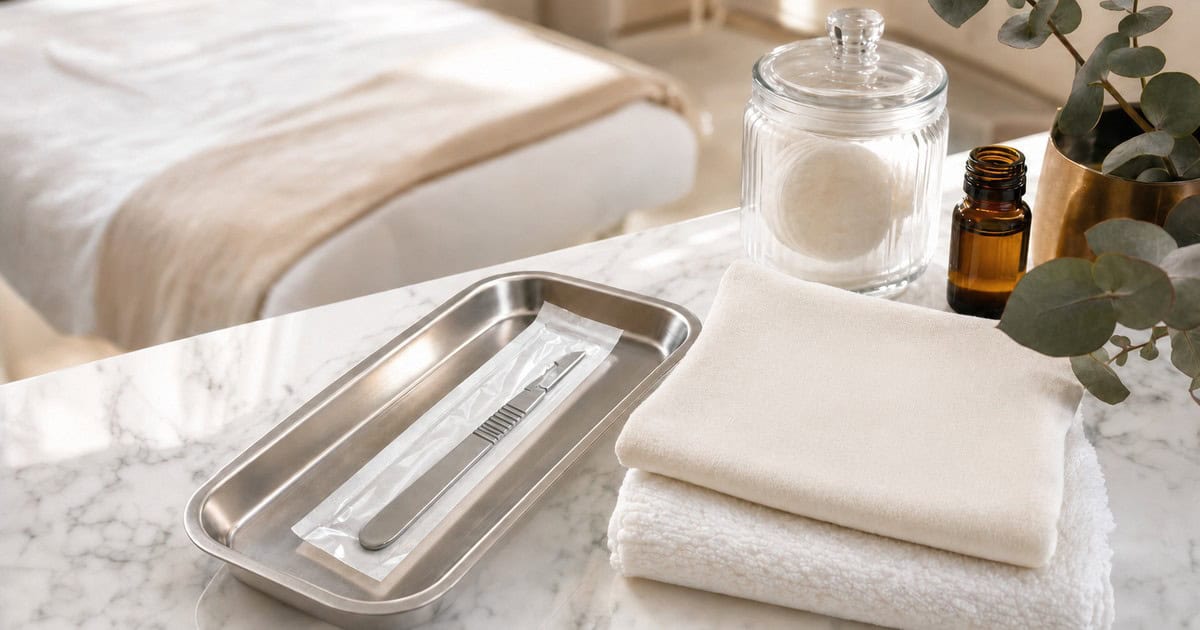
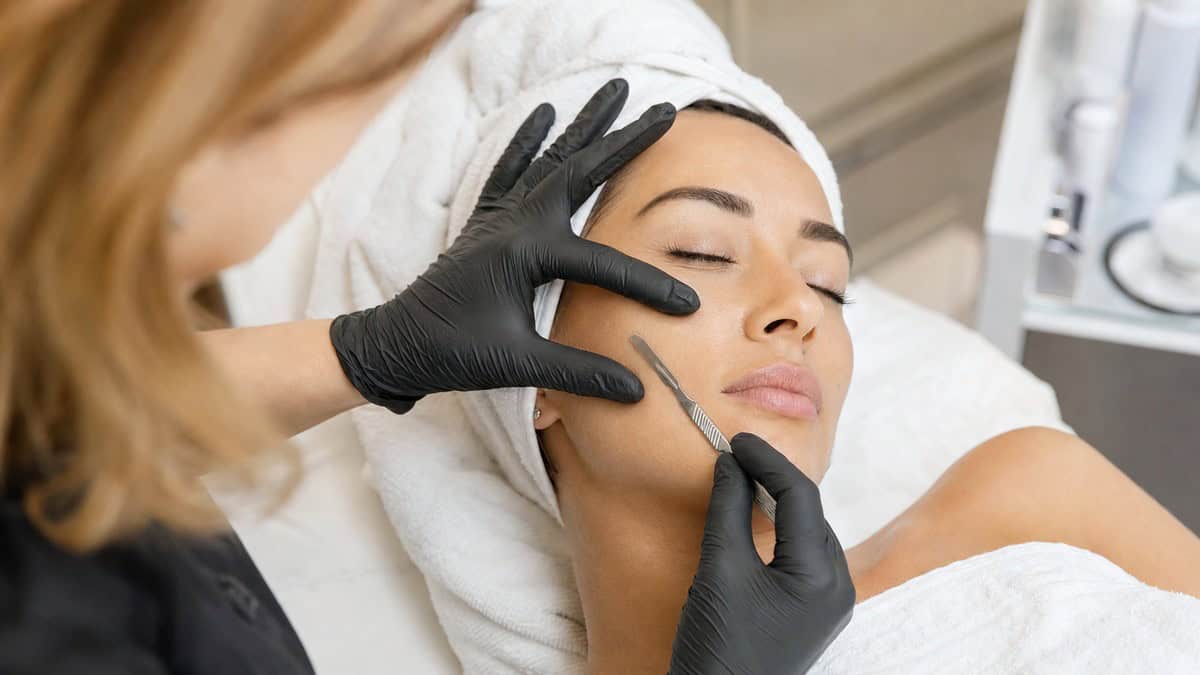
Dermaplaning is a manual exfoliation treatment. The provider holds a sterile surgical blade at a low angle and uses short, gentle strokes across your skin. The blade lifts the top layer of skin, made of dead skin cells and vellus hair, that sits on the surface. Dermaplaning is a non-invasive facial service: there are no chemicals, needles or machines involved, and the skin underneath is left soft and smooth.
At Ageless Med Spa, dermaplaning is offered as a stand-alone treatment, and as a dermaplaning add-on to another facial.
Benefits of Dermaplaning
The benefits of dermaplaning include both instant and longer-term improvements in skin texture:
- Instant glow: removing dead skin reveals fresher skin and a more radiant complexion right away.
- Smoother texture: it helps make your skin look smoother and feel softer to the touch.
- Better product absorption: serums and moisturizers can penetrate more evenly without a layer of dead skin in the way.
- Flawless makeup: foundation glides on without catching on peach fuzz or flaky patches.
- Removes unwanted facial fuzz: dermaplaning removes vellus hair and fine facial hair for a cleaner look. It is a gentle way to remove facial hair, though it is not permanent hair removal and does not slow unwanted hair growth.
- Softens the look of texture: regular dermaplaning may make fine lines and the appearance of acne scars less noticeable, because light reflects off a smoother surface.
How Dermaplaning Works: The Dermaplaning Procedure Step by Step
- Consultation: your provider reviews your skin concerns, skin type and any active acne or irritation.
- Cleanse: the face is cleansed and dried completely, because dermaplaning works best on clean, dry skin.
- Exfoliate: the provider holds the skin taut and uses the blade to remove dead skin and peach fuzz in small sections. Most people find it relaxing, a light scraping feeling with no pain.
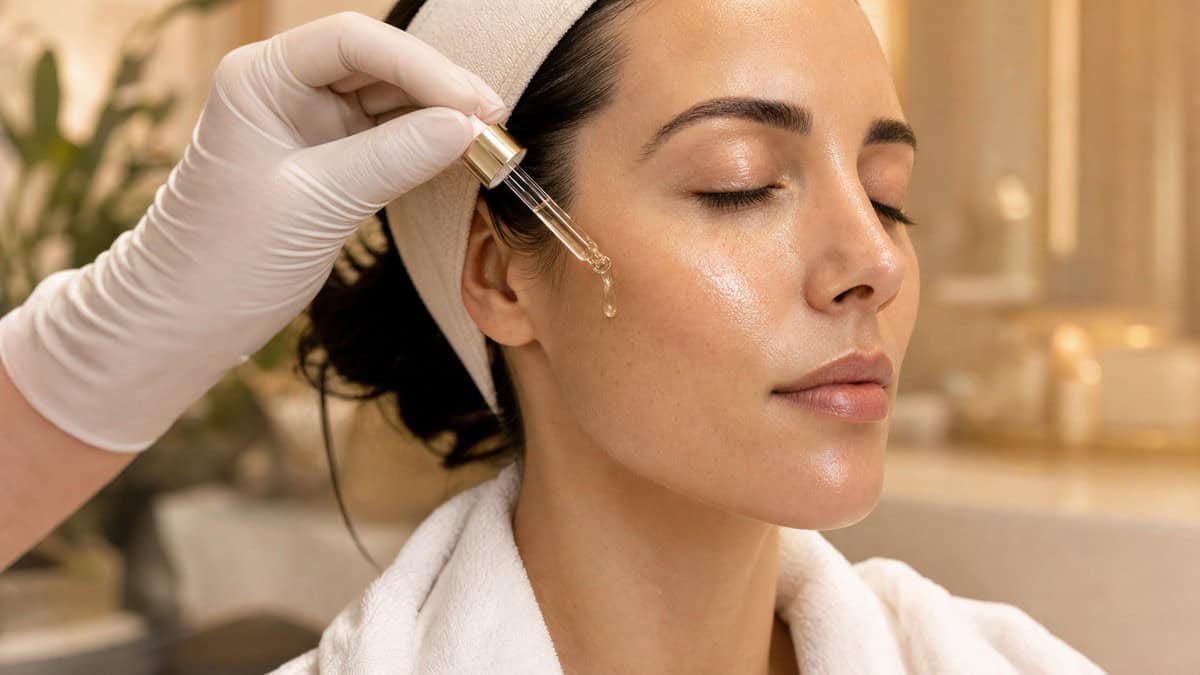
- Soothe and protect: hydrating serum, moisturizer and sunscreen finish the dermaplaning session.
A typical dermaplaning treatment takes about 30 minutes in the treatment room, and you can go straight back to your day.
Dermaplaning vs Shaving: Will Hair Grow Back Thicker?
This is the most common question about dermaplaning and shaving. Hair will grow back, usually within about three to four weeks, but dermaplaning doesn’t make it grow back thicker or darker. Cutting a hair does not change the follicle. Vellus hair is fine and soft, so it grows back the same way.
A professional dermaplane facial is also different from using an electric razor at home. An electric razor only trims hair. Dermaplaning is not like an electric razor: dermaplaning uses a sterile surgical blade to gently remove both hair and the top layer of dead skin, with a trained hand controlling the angle.
Dermaplaning vs Microdermabrasion vs Dermabrasion
- Dermaplaning: manual exfoliation with a blade. Removes dead skin cells and vellus hair. No downtime, and dermaplaning works well before events.
- Microdermabrasion: a device exfoliates with a textured tip and suction. It does not remove hair.
- Dermabrasion: a much deeper, medical procedure performed by a physician for scars, with real recovery time. It is not the same as dermaplaning.
If you want exfoliation with deep hydration, a hydro-dermabrasion facial is another gentle option.
Combining Dermaplaning With Other Treatments
Because it clears the surface, dermaplaning enhances the results of many treatments. Combining dermaplaning with a hydrating facial or a brightening facial is popular before events, and some light peels such as The Perfect Derma Peel may be paired with it when your provider recommends it. To compare every peel we offer, see our guide to chemical peels. Your provider will ensure the treatment combination is right for your skin, and that dermaplaning right before another treatment is appropriate.
Is Dermaplaning Safe, and Who Should Avoid It?
Dermaplaning is generally considered safe for most skin types when performed by a trained professional. Dermaplaning may not be a good idea if you have:
- Active, inflamed acne or breakouts in the area.
- Sunburn, open wounds or a skin infection.
- Very sensitive or reactive skin, or a skin condition such as active rosacea or eczema flare.
- Recent use of strong retinoids or exfoliating acids, unless your provider approves.
If acne is your main concern, an acne facial may be a better first step. For very reactive skin, ask about the sensitive skin facial.
What Are the Disadvantages of Dermaplaning?
The main disadvantages are mild and temporary: slight redness for a few hours, a small risk of a nick, and the fact that results are not permanent, since dead skin builds up again and hair grows back. Skin is also more sensitive to the sun right after exfoliation, so sunscreen is a must.
Aftercare: How to Care for Your Skin After Dermaplaning
- Apply broad-spectrum SPF daily and limit sun exposure for a few days.
- Skip retinoids, scrubs and exfoliating acids for about 48 hours.
- Use gentle skincare products with hydrating ingredients to help the skin recover.
- Avoid saunas, hot yoga and heavy sweating for the rest of the day.
How Often Should You Get a Dermaplaning Facial?
Most people book a dermaplane treatment every three to four weeks, which matches the natural cycle of skin renewal and hair growth. Dermaplaning often fits easily into a monthly skin care routine.
Can You Dermaplane Your Face at Home?
At-home tools to remove unwanted hair exist, but they are not the same as professional dermaplaning. Without the right angle, sterile surgical blade and technique, it is easy to irritate the skin or cause nicks. A professional provider also checks whether your skin is ready for exfoliation that day.
How Much Does a Dermaplaning Facial Cost in Anchorage?
At Ageless Med Spa, dermaplaning is currently listed at $99. Prices can change, so check the page or ask during your visit. Members save on many treatments through the membership program.
Frequently Asked Questions
What is a dermaplaning facial?
It is a professional facial that uses a sterile blade to remove dead skin cells and peach fuzz, leaving smooth, glowing skin.
How long do dermaplane facial results last?
Results from dermaplaning usually last about three to four weeks, until new dead skin and vellus hair build up.
Does dermaplaning hurt?
No. Most people feel only a light scraping sensation and find it relaxing.
Book Your Dermaplaning Facial in Anchorage
If you want smoother texture, radiant skin and makeup that sits perfectly, a dermaplaning facial is an easy place to start. Book your appointment at Ageless Med Spa, or contact our team with questions about the right facial for your skin.


